

IN THE CLOUDS, FROM TIME TO TIME
On wormhole whacks, breaking up with time and navigating a skyrunner through the troposphere

Breathe once. What are you running from?
That is only half of the question.
Breathe twice. What are you running towards?
The vector, with both points, is now defined and all you have to do is follow the arrow into the clouds.
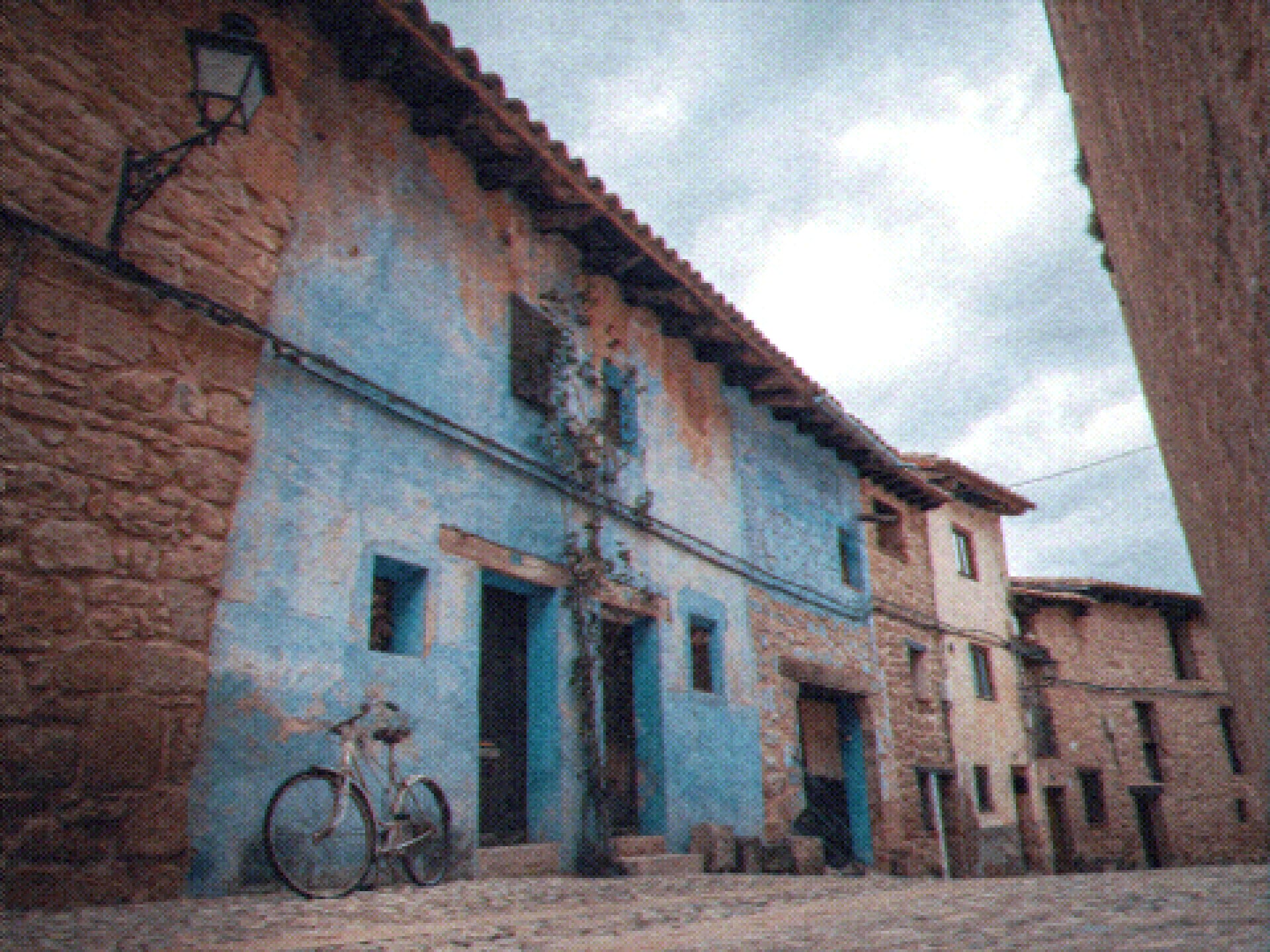
I often get whacked by the wormhole effect of memory. If I take any fairly recent memory (say what I had for breakfast today) it feels as if it happened an instant ago. That seems OK. The day just has gone by quick. Then I take any very distant memory: it's decades ago and I'm learning how to ride on a bicycle for the first time. The sky is cloudy, the house is blue and the street is cobbled. It… also feels as if it happened an instant ago. That doesn’t seem OK.
I was just managing to stop falling over while pedaling and, a blink of an eye later, a double-digit amount of years just whooshed by. How? The suddenness of it all gets my insides get into the tight knot of leaning on a flimsy ledge somewhere high. Or is that me losing my balance without the training wheels?
Rationally, I know this is the equivalent of an optical illusion for the brain's perception of time. If you remember rotary phones, you probably also remember Magic Eye books. Cross your eyes for an autostereogram and it suddenly gains a new dimension.
Cross your mind for memories and time suddenly ties itself into a knot. The more you dwell on it, the more disconcerting this whole wormhole situation becomes. You slide down from the present moment of existence to the past of least resistance and not even the future of wishful thinking can save you from the fall. What a rough trip down memory lane.
In the end, time has been the worst of my lovers. It claimed that it was always of the essence while methodically unravelling my own. Day by day, it pushed me to become a smaller version of myself, keeping bad memories close and good ones infinitely distant.

I tried running away, several times, but I was never sure which of the times I was running from. As a haphazard remedy, at some point I decided I was no longer on speaking terms with my past and future selves. I no longer picked up their calls: alas, I was too busy with just the present time.
With both nostalgia and expectations finally lifted off my shoulders I was freed. Neither the origin nor the destination: now I was all about the journey. That didn’t work out too well.
The breakup was heartbreaking and full of cliches: the train at the end of the line, the rain, the bitter words uttered sharply to get the counter all the way up to the thousandth cut. Time came to a standstill.
It did not feel like anything, at first, with the weight of all the baggage. I kept wondering if I was just trying too hard to sound smart while having very little of essence to say. This fear loomed over my shoulder, trying to poke holes in everything I said, making me question myself just enough so I halt on the verge of uncertainty without ever crossing over. I had no recourse other than just closing my eyes and walking forward. Only time would know the answer.
After the breakup, I got a new job that involved a lot of physical work and international travel, the perfect combination when you are looking to take your mind off things for some time.
There are so few skyrunners left that most people mistake them for atmospheric phenomena. They fell out of use as airplanes soared in popularity, replacing the leisure of air sails with the hot speed of jet fuel. Still, the ones that continued floating required tightly organized crews to keep them gliding on the clouds around the clock.
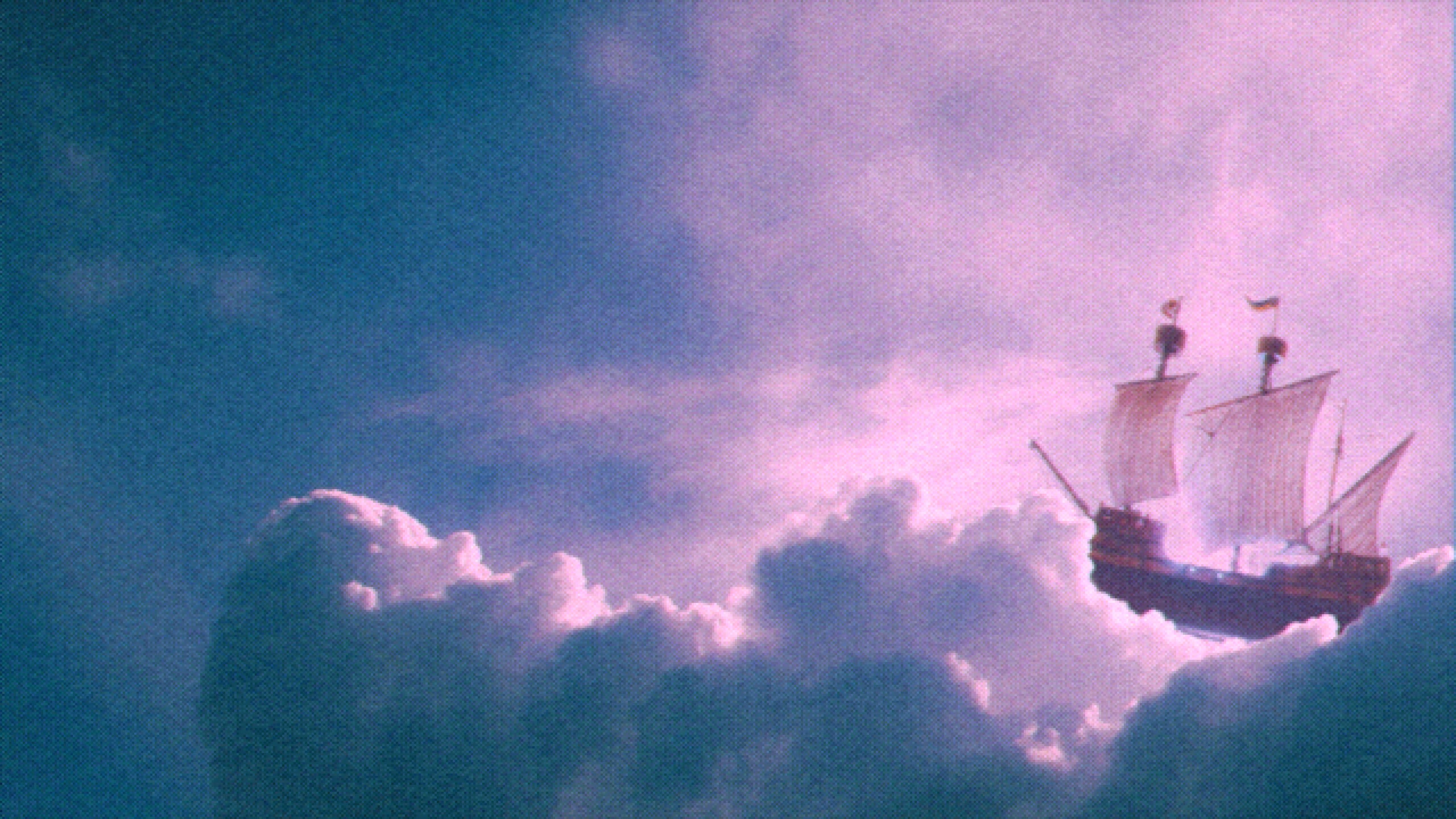
The captain of the skyrunner I worked on was an experienced aeronaut called Lysandra Nimbus, with windswept hair and a pair of leather goggles she never left her cabin without. On my first day on deck she took one look at me and asked me if I knew my way around a compass. That’s how I became in charge of navigation: charting the course through the cloudscape.
Every morning, I checked in with the night shift skywatchers who kept an eye on the horizon looking out for stormfronts and anything out of the usual. I then traced a route through the best stretch of clouds that would get us closer to our destination and relayed my map to the helmsman. As they steered, we would confer to account for deviations, I would chart the corrections, and this back and forth continued throughout each day.
I got into the rhythm of it and finally managed to get a decent tan. On my very first trip, I only realized that we were finally approaching our destination when I heard a skywatcher blow the horn for land minutes before sunrise.
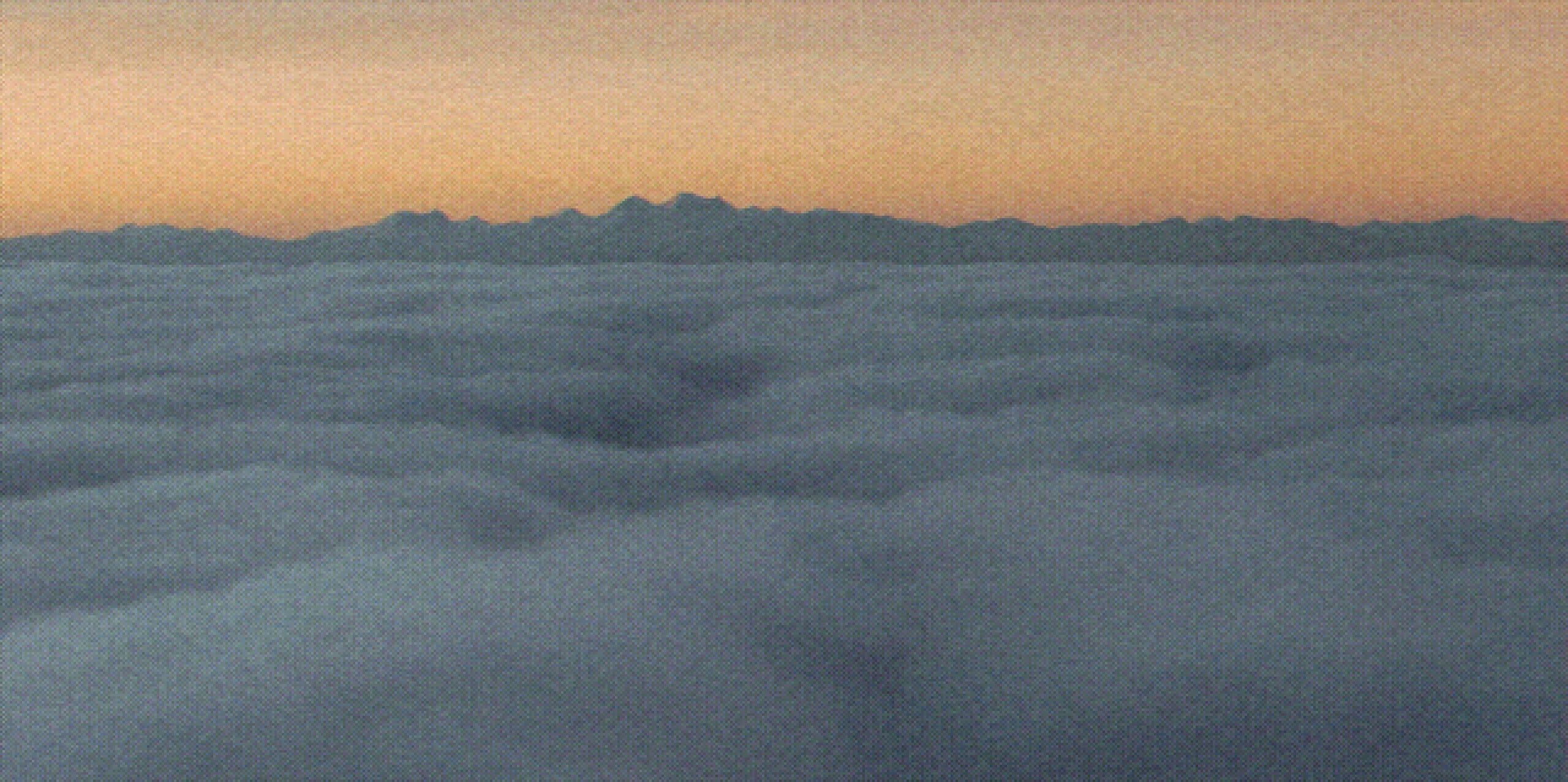
As the crew poured onto the deck, under the silence of the sails, we saw the sharp ridge of the mountain range cutting across the surface of the clouds in the distance. We were just hours away from docking onto the peakport where we would deliver our cargo.
While everyone huddled with excitement over what fresh fruits they would be purchasing at the market, I realized that I hadn't really thought about time for a very long time. And that felt great.
The one thing I hate about flying is that, inevitably, there comes the time to land back on earth.
This felt so serendipitous. I’ve been having flashes of childhood memories recently, after years of remembering very little of it. I found your page through Glass and your writing felt like exactly what I’ve been feeling and wanting to share. This is beautiful writing!